A Day In The Life Of An ISH Student: Academics, Events And Industry Exposure
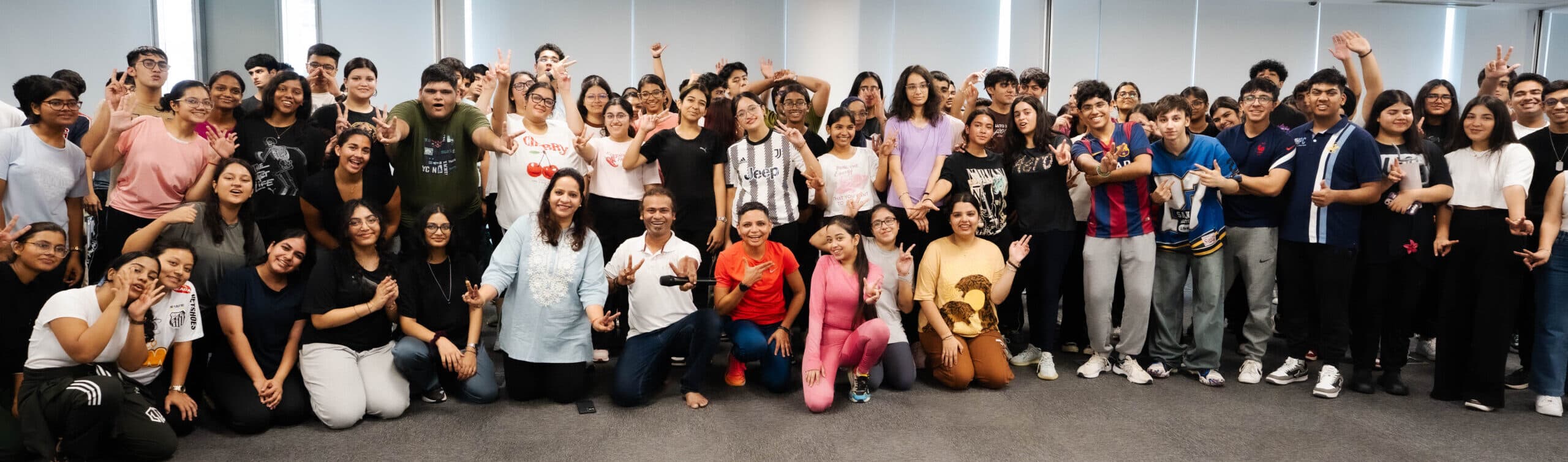
Studying hospitality is about much more than lectures and assignments. Students participate in practical learning sessions, industry interactions, networking events, competitions, and collaborative projects that help shape their professional journey.
Starting The Day On Campus
Most students begin their day with academic sessions, project discussions, or practical workshops. The campus environment encourages collaboration and continuous learning.
A typical day often includes:
- Classroom learning
- Practical laboratory sessions
- Group assignments
- Industry masterclasses
- Student club activities
Morning Routine
Students typically review schedules, prepare for practical sessions, and coordinate with peers for ongoing projects.
“The best learning often happens outside the classroom through experiences, conversations, and challenges.”
What This Day Looks Like At ISH
If you are joining after Class 12, this is the rhythm of the BBA (Hons.) in Hospitality Management at ISH: an eight-semester degree with two work attachments, four specialisations and pathways to Les Roches in Switzerland or Spain.
The BBA in Hospitality Management at Indian School of Hospitality is academically directed by Les Roches, ranked #2 globally for Hospitality & Leisure Management in the QS World University Rankings by Subject 2026.
Learning Through Practical Experiences
Hospitality education places significant emphasis on experiential learning. Students spend considerable time applying concepts in realistic environments.
Culinary Labs
Students gain hands-on experience in professional kitchens while learning food preparation techniques, safety standards, and operational workflows.
If the kitchen is where you want to spend most of your day, look at École Ducasse India’s B.A. (Hons.) in Culinary Arts at ISH, a four-year programme that combines culinary arts with business fundamentals.
École Ducasse India at ISH — the Indian campus of École Ducasse, named the World’s Best Culinary Training Institution three consecutive times in 2023, 2024 and 2025.
Service Excellence Labs
These sessions simulate real hospitality scenarios and help students develop customer service, communication, and operational skills.
Already a graduate? The PGCM in Hospitality Management at ISH covers service strategy, guest experience and the operational tools used in front office and housekeeping, in one year.
Industry Interactions And Guest Sessions
One of the strongest aspects of hospitality education is direct engagement with industry leaders.
| Interaction Type | Frequency | Student Benefit |
|---|---|---|
| Guest Lectures | Monthly | Industry Insights |
| Masterclasses | Quarterly | Specialized Skills |
| Networking Events | Regular | Professional Connections |
| Career Fairs | Annual | Placement Opportunities |
Industry Mentorship
Students often receive guidance from professionals working in hospitality, luxury retail, tourism, and event management sectors.
ISH reports that 100% of its faculty combine academic and industry expertise, so that industry view carries into the classroom too. See ISH Impact in Numbers.
Student Clubs And Campus Activities
Campus life includes a variety of student-driven clubs and activities designed to promote leadership and teamwork.
- Culinary Club
- Events Committee
- Sports Teams
- Photography Club
- Entrepreneurship Society
- Cultural Committee
Leadership Opportunities
Students frequently take ownership of events and initiatives, developing project management and organizational skills.
Flagship Campus Events
Throughout the academic year, students participate in various large-scale events.
| Event | Focus Area | Student Participation |
|---|---|---|
| Hospitality Summit | Industry Networking | High |
| Cultural Fest | Creativity | High |
| Sports Week | Wellness | Medium |
| Innovation Challenge | Entrepreneurship | High |
If the Entrepreneurship Society or the Innovation Challenge is where you see yourself, look at ISH’s B.Sc. in Global Business and Entrepreneurial Leadership (GBEL).
Preparing For Internships
Internships serve as a bridge between academic learning and professional careers.
At ISH, these are structured work attachments: two in the BBA (Hons.) in Hospitality Management, and a 12-week one in the PGCM in Hospitality Management.
Placement Support
Career services teams assist students through resume workshops, interview preparation sessions, and employer interactions.
ISH reports a 100% employment rate for eligible graduates across all programmes, year-on-year. See the full figures on ISH Impact in Numbers.
Preparation checklist:
- Create a professional resume
- Build a LinkedIn profile
- Attend mock interviews
- Participate in networking sessions
- Research target companies
Technology And Digital Learning
Modern hospitality education increasingly incorporates technology-driven learning experiences.
- Learning Management Systems
- Virtual Simulations
- Digital Assessments
- Collaborative Project Tools
- Industry Software Platforms
Digital Skills Development
Students are encouraged to develop technology skills that complement hospitality expertise and improve career readiness.
In the BBA (Hons.) in Hospitality Management, Digital Marketing Strategies is one of the four specialisations you can choose from Semester 5.
Student Journey
- Year 1 → Foundation Skills
- Year 2 → Practical Exposure
- Year 3 → Industry Specialization
- Year 4 → Placements & Career Launch
Student Success Stories
Many students leverage internships, networking opportunities, and campus experiences to secure positions with leading hospitality organizations.
“The combination of practical learning and industry exposure gave me the confidence to excel during my internship.”
Some go further still: ISH reports that ~25% of its students progressed to Les Roches and École Ducasse for second degrees at UG, Diploma and PG levels (ISH Impact in Numbers).
Frequently Asked Questions
What makes hospitality education different?
The emphasis on practical learning and industry engagement creates a highly experiential educational journey.
Are there opportunities beyond hotels?
Yes. Graduates pursue careers in luxury retail, events, tourism, consulting, aviation, and entrepreneurship.
The PGCM in Hospitality Management at ISH, for example, prepares graduates for roles across hotels, wellness, education services, retail, real-estate services and tourism.
How important are campus activities?
Campus activities help students build leadership, communication, and teamwork skills that employers highly value.
Do students interact with industry professionals?
Regular guest lectures, networking events, and mentorship opportunities provide direct industry exposure.
Conclusion
Student life combines academics, practical experiences, leadership opportunities, and industry engagement. These experiences collectively help students develop the skills, confidence, and professional network required to build successful careers after graduation.
Explore ISH’s undergraduate, postgraduate and diploma programmes, or start your application.
Browse by category
Tags